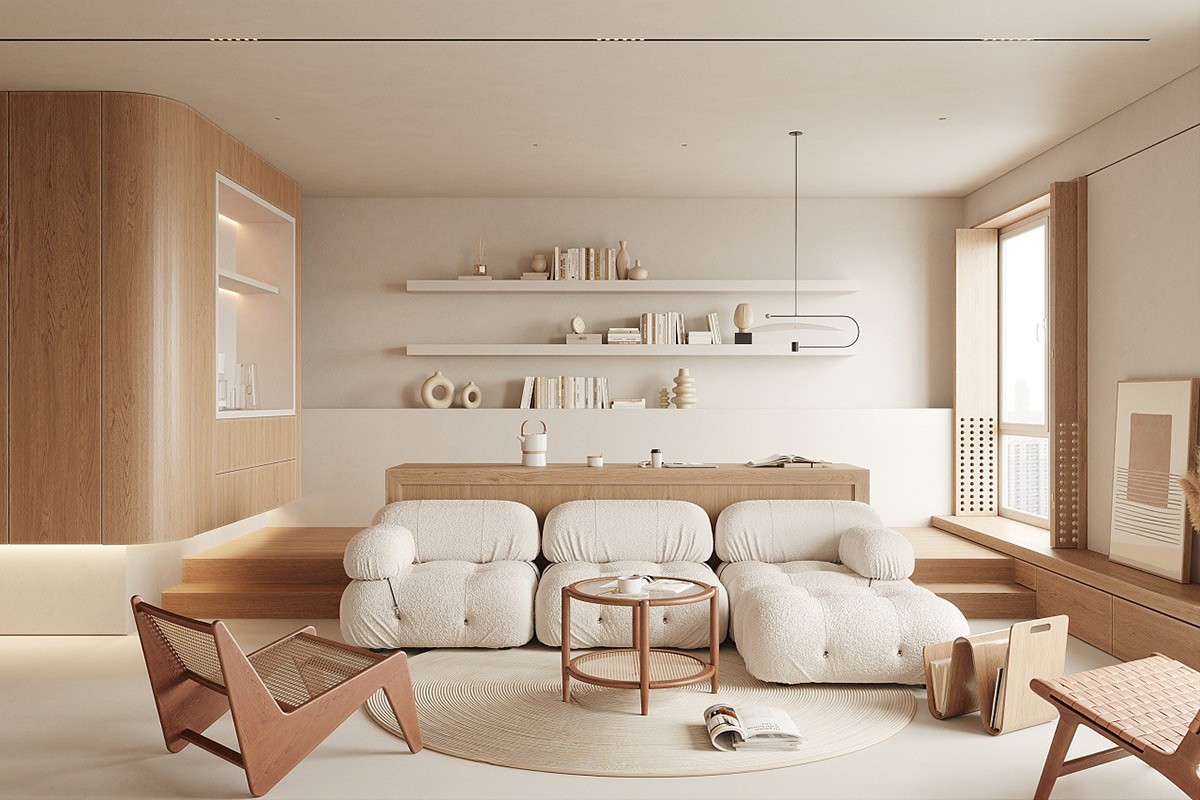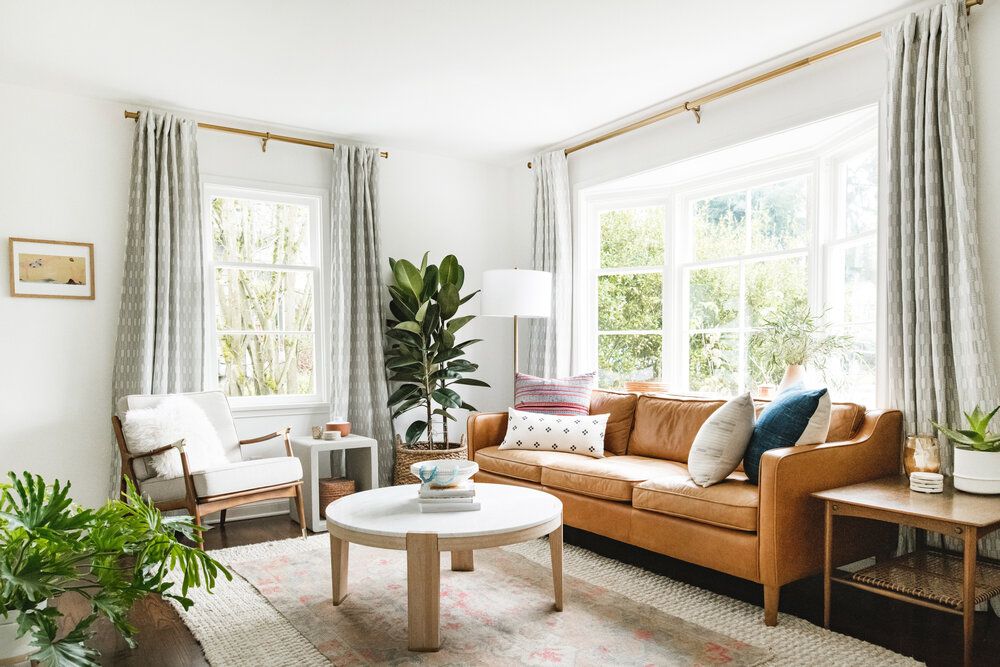
A beautiful home isn’t just about luxury—it’s about creating a space that feels comfortable, stylish, and reflective of your personality. You don’t need to spend a fortune or hire a designer to make your home look amazing. With some creativity, strategic upgrades, and thoughtful planning, anyone can transform their living space.
This article explores practical tips, design principles, and aesthetic upgrades to elevate your home’s look and feel.
Understanding Home Aesthetics
Home aesthetics refer to the visual and emotional appeal of your living space. It’s about how colors, furniture, lighting, and accessories come together to create a cohesive environment. A well-designed space not only looks good but also improves mood and functionality.
Why Home Aesthetics Matter
- Enhances comfort and relaxation
- Boosts mood and creativity
- Increases the perceived value of your home
- Reflects personal style and taste
Even small changes can make a significant impact.
Assessing Your Current Space
Before making upgrades:
- Identify clutter and unnecessary items
- Note areas that feel dull or uninviting
- Consider your lifestyle and how you use each room
- Take pictures to compare before and after
Understanding the current state helps prioritize upgrades effectively.
1. Declutter and Organize
Clutter is the biggest aesthetic killer:
- Use storage solutions like baskets, shelves, and boxes
- Donate or sell items you no longer use
- Keep surfaces clean and minimal
- Organize by function or color for visual appeal
A clean and organized home instantly feels larger and more inviting.
2. Choose a Cohesive Color Palette
Colors influence mood and perception of space:
- Light tones make rooms feel spacious and airy
- Dark tones add drama and sophistication
- Complementary or analogous colors create harmony
Stick to 2-3 primary colors with accents to avoid overwhelming the space.
3. Upgrade Lighting
Lighting can completely transform a room:
- Layer lighting: ambient, task, and accent
- Use warm bulbs for cozy spaces and cooler bulbs for work areas
- Install dimmers for versatility
- Add statement light fixtures for style
Good lighting enhances both functionality and aesthetics.
4. Introduce Textures and Fabrics
Variety in textures adds depth and interest:
- Mix soft fabrics like cushions and throws with rough textures like wood or metal
- Rugs, curtains, and bedding can create warmth and contrast
- Consider layering textiles for a cozy feel
Textures make spaces feel dynamic and inviting.
5. Use Mirrors Strategically
Mirrors do more than reflect:
- Create the illusion of more space
- Enhance natural light
- Serve as decorative focal points
Place mirrors opposite windows or in narrow hallways to maximize their impact.
6. Focus on Furniture Arrangement
Proper furniture placement improves flow and aesthetics:
- Avoid blocking pathways
- Create cozy conversation areas
- Mix old and new pieces for a balanced look
- Consider multi-functional furniture for small spaces
The right layout enhances both functionality and visual appeal.
7. Add Greenery
Plants bring life and freshness to any room:
- Indoor plants improve air quality and mood
- Use a mix of floor plants, hanging plants, and small pots
- Choose low-maintenance plants for busy households
Greenery adds color, texture, and a natural vibe.
8. Incorporate Art and Decor
Art personalizes your space:
- Hang paintings, prints, or photos at eye level
- Use shelves to display decorative objects
- Rotate decor seasonally to refresh the look
Art adds character and tells your story through visuals.
9. Upgrade Hardware and Fixtures
Small details like knobs, handles, and faucets make a difference:
- Replace outdated hardware with modern alternatives
- Consider matte black, brushed gold, or sleek silver finishes
- Even door handles and cabinet pulls impact the overall look
Attention to detail elevates the space subtly but effectively.
10. Layer Rugs and Carpets
Rugs define spaces and add warmth:
- Use area rugs to anchor furniture
- Layer smaller rugs for texture and style
- Choose patterns or neutral tones based on the overall palette
Rugs contribute both comfort and aesthetic appeal.
11. Maximize Natural Light
Natural light enhances space and mood:
- Keep windows unobstructed
- Use light, sheer curtains
- Add reflective surfaces to bounce light around
Bright, airy spaces feel more welcoming and stylish.
12. Add Statement Pieces
A few standout items can elevate a room:
- Bold artwork or a vibrant sofa
- Unique coffee tables or chairs
- Statement lighting fixtures
Statement pieces draw attention and define your home’s style.
13. Use Multi-Functional Spaces
Modern homes benefit from adaptable areas:
- Convert corners into reading nooks
- Use foldable furniture for flexible living
- Combine office and lounge areas without clutter
Functionality combined with aesthetics creates harmony.
14. Incorporate Personal Touches
Your personality makes a home feel lived-in:
- Display travel souvenirs, family photos, or handmade crafts
- Use colors or decor items that reflect your style
- Avoid overdecorating—select meaningful items
Personal touches make the home uniquely yours.
15. Maintain Consistency Across Rooms
Consistency ensures a cohesive aesthetic:
- Repeat colors, materials, and patterns throughout the home
- Avoid clashing styles in adjacent spaces
- Maintain balance between bold statements and neutral elements
Consistency ties the entire home together seamlessly.
Case Studies: Small Upgrades, Big Impact
- Apartment A: Decluttered, added light-colored curtains, and layered rugs. Result: room felt brighter, cozier, and more spacious.
- Home B: Introduced indoor plants, replaced cabinet handles, and added a statement lamp. Result: elevated style with minimal cost.
- Condo C: Rearranged furniture, added personal art, and used mirrors. Result: functional, visually appealing, and reflective of personal taste.
Practical Tips for Home Aesthetic Upgrades
- Start small: focus on one room or area
- Prioritize upgrades with high visual impact
- Mix budget-friendly and statement pieces
- Maintain cleanliness and organization
- Use online inspiration but adapt to your taste
Conclusion
Transforming your living space doesn’t require a major renovation. By focusing on lighting, colors, furniture arrangement, textures, and personal touches, anyone can elevate the look and feel of their home. Thoughtful upgrades create spaces that are beautiful, functional, and reflective of your personality, making your home a place you truly love.
FAQs
- Can I upgrade my home on a tight budget?
Yes, small changes like rearranging furniture, adding plants, or updating decor can make a significant difference. - How important is color in home aesthetics?
Very important. Color affects mood, perception of space, and overall cohesiveness. - Do I need professional help to improve home aesthetics?
Not necessarily. Many upgrades can be done DIY with research and planning. - How can I make a small space look bigger?
Use mirrors, light colors, minimal clutter, and multifunctional furniture. - What are the easiest upgrades for instant impact?
Lighting, rugs, throw pillows, wall art, and plants are quick ways to elevate a room.