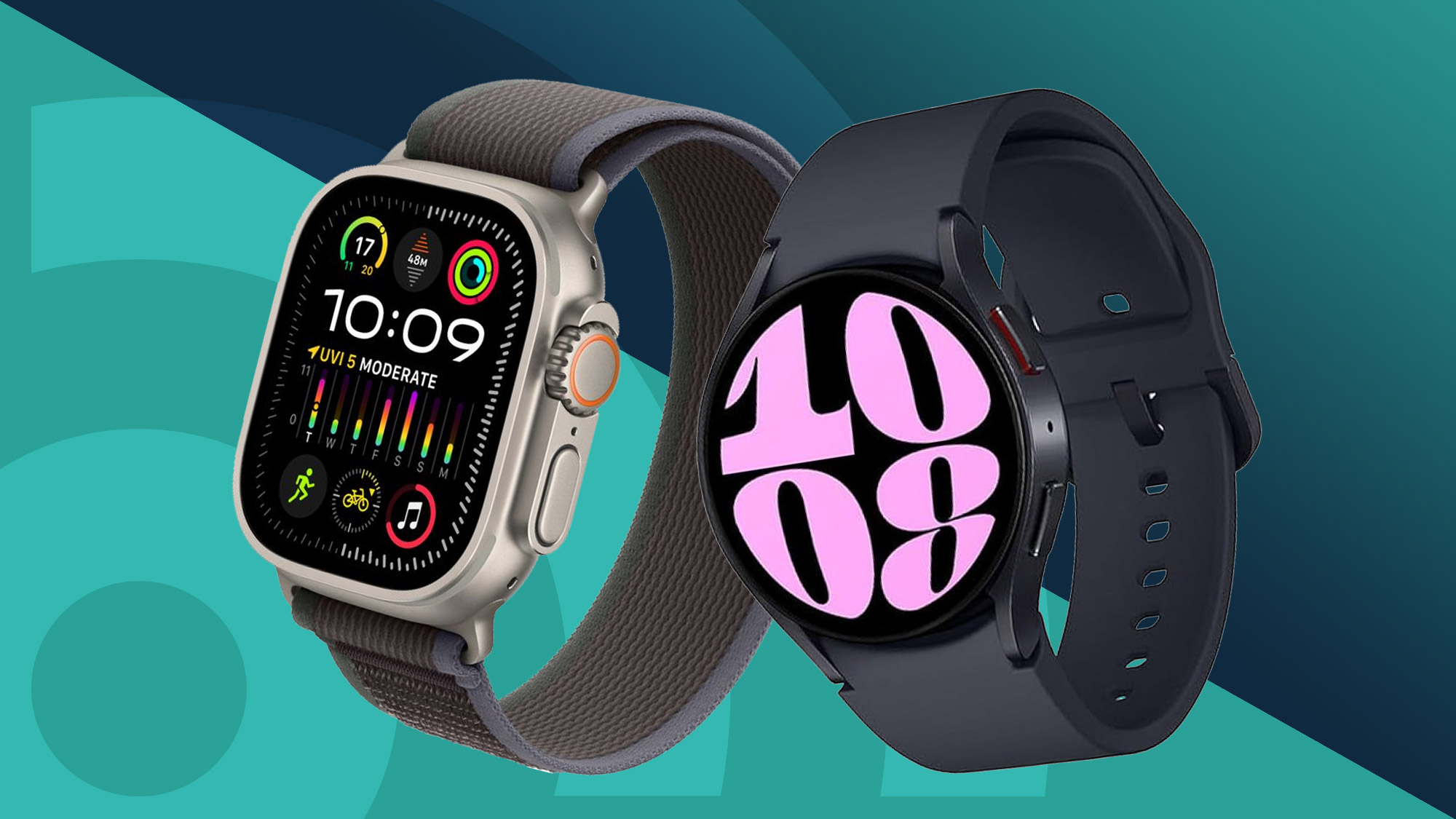
Wearable technology has evolved far beyond the first generation of smartwatches. Today, wearable devices are powerful, versatile, and deeply integrated into health, productivity, and entertainment. From fitness tracking to medical monitoring, wearables are reshaping how we interact with technology and manage our daily lives.
This article explores current wearable tech, its benefits, challenges, and what the future holds for this rapidly growing industry.
What is Wearable Technology?
Wearable technology refers to electronic devices worn on the body that can collect data, provide notifications, or interact with other devices. They typically include sensors, wireless connectivity, and AI-powered analytics.
The Evolution of Wearable Devices
Early wearables focused on fitness tracking, like pedometers. Modern devices now include:
- Smartwatches and fitness bands
- Health monitors like ECG or blood pressure sensors
- Smart glasses and AR/VR headsets
- Wearable cameras and communication devices
Health and Fitness Tracking
Fitness remains one of the biggest applications for wearables:
- Track steps, calories, and distance
- Monitor heart rate, oxygen levels, and sleep patterns
- Receive personalized fitness recommendations
Wearables help users stay motivated, informed, and accountable for their health goals.
Medical Applications: Monitoring and Prevention
Wearables are moving into serious healthcare applications:
- Continuous glucose monitors for diabetics
- ECG monitors detecting arrhythmias
- Fall detection systems for the elderly
- Wearable patches that track hydration or stress levels
These devices provide real-time data for patients and doctors, enabling proactive healthcare.
Integration with Smartphones and Apps
Wearables often sync with smartphones and apps to:
- Provide detailed analytics on activity and health
- Send reminders for medication or exercise
- Offer social features for goal tracking and motivation
The ecosystem makes data actionable, not just collected.
Productivity and Work Applications
Beyond health, wearables boost productivity:
- Smart glasses provide augmented reality interfaces for work tasks
- Smartwatches display notifications, calls, and calendar reminders
- Wearable devices streamline workflows in warehouses and hospitals
Wearables are increasingly tools for both personal and professional efficiency.
Entertainment and Gaming
Virtual reality (VR) and augmented reality (AR) headsets offer immersive experiences:
- VR headsets create fully interactive gaming environments
- AR glasses overlay digital information onto the real world
- Haptic feedback suits allow users to “feel” virtual objects
The entertainment industry is embracing wearables for deeper, more interactive engagement.
Fashion Meets Functionality
Wearables are becoming stylish as well as functional:
- Smart jewelry tracks activity discreetly
- Clothing embedded with sensors monitors posture, motion, and temperature
- Wearables are designed to blend with personal style while maintaining utility
This integration ensures wider adoption beyond tech enthusiasts.
AI and Predictive Analytics in Wearables
AI enhances wearable technology by making it smarter:
- Predict health risks based on collected data
- Offer personalized fitness or nutrition recommendations
- Detect abnormal patterns and alert users proactively
AI transforms wearables from passive tracking devices into intelligent health companions.
Wearables in Workplace Safety
Industries like construction and manufacturing use wearables to improve safety:
- Track employee location and detect hazards
- Monitor vital signs to prevent heat stress or fatigue
- Send alerts in emergencies for faster response
These applications reduce workplace accidents and improve efficiency.
Battery Life and Device Longevity
One challenge in wearable tech is battery life:
- Advanced sensors and continuous data collection consume power quickly
- Companies are developing energy-efficient chips and wireless charging solutions
- Battery longevity is critical for medical devices that require continuous monitoring
Long-lasting devices ensure practicality and reliability.
Data Privacy and Security
Wearables collect sensitive personal information:
- Health, location, and activity data are often stored on the cloud
- Users must ensure strong passwords, secure networks, and trusted apps
- Manufacturers are enhancing encryption and privacy controls
Data security is a major concern as wearable adoption grows.
Interoperability and Ecosystem Integration
Wearables are most effective when integrated with other devices:
- Smart homes can respond to health data or movement patterns
- Smartphones and laptops provide dashboards for in-depth analysis
- Industry-standard protocols allow different devices to communicate seamlessly
A connected ecosystem enhances usability and value.
Future Trends in Wearable Technology
Experts predict several innovations in wearable tech:
- Implantable devices monitoring health metrics in real-time
- Clothing with embedded sensors for fitness and medical use
- Enhanced AR glasses for education, work, and entertainment
- AI-driven wearables capable of proactive health intervention
The future of wearables promises smarter, more personalized, and deeply integrated technology.
Practical Tips for Choosing Wearables
- Identify your primary purpose: fitness, health, productivity, or entertainment
- Consider device compatibility with your smartphone or ecosystem
- Prioritize battery life, comfort, and ease of use
- Research privacy and security features
- Start with one device and expand gradually
Conclusion
Wearable technology is no longer limited to simple smartwatches. It encompasses a wide range of devices that enhance health, productivity, safety, and entertainment. With AI, connectivity, and innovative sensors, wearables are transforming daily life and even professional environments. As the technology evolves, it promises greater personalization, deeper integration, and smarter decision-making, making wearables an indispensable part of the modern digital world.
FAQs
- Are wearables only for fitness?
No, wearables are used for health monitoring, productivity, workplace safety, entertainment, and more. - How accurate are wearable health monitors?
Most devices provide reliable trends and alerts, but they are not always a replacement for professional medical equipment. - Can wearables improve productivity?
Yes, smartwatches and AR devices help manage notifications, tasks, and workflow efficiently. - Are wearables safe for privacy?
They are safe when using strong passwords, secure apps, and trusted networks. Always review privacy policies. - What’s next for wearable technology?
Future wearables will include AI-driven predictive analytics, embedded smart clothing, AR/VR devices, and medical implants for continuous monitoring.