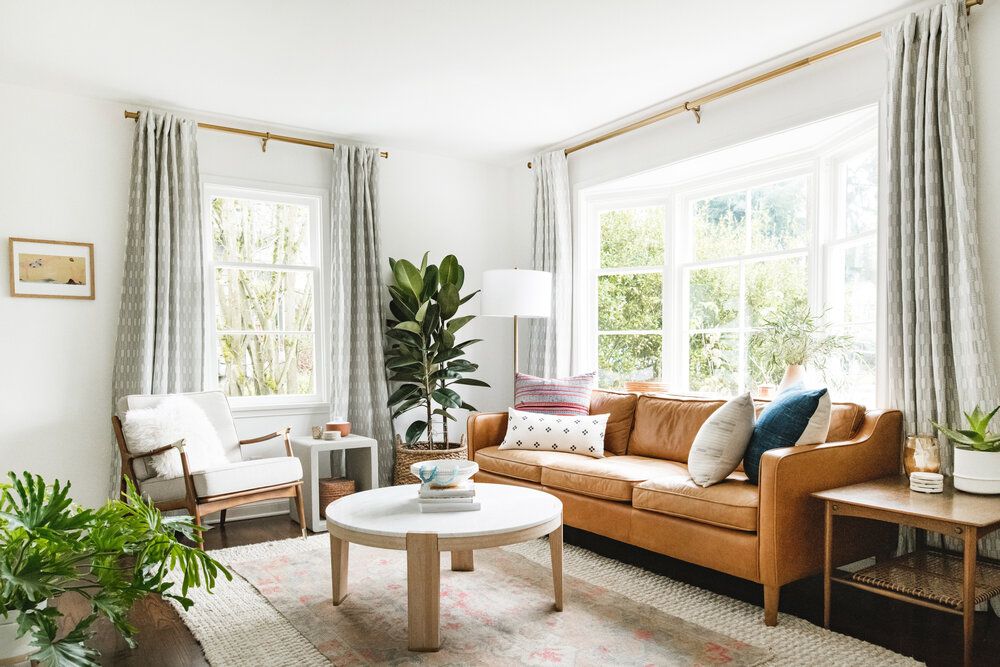
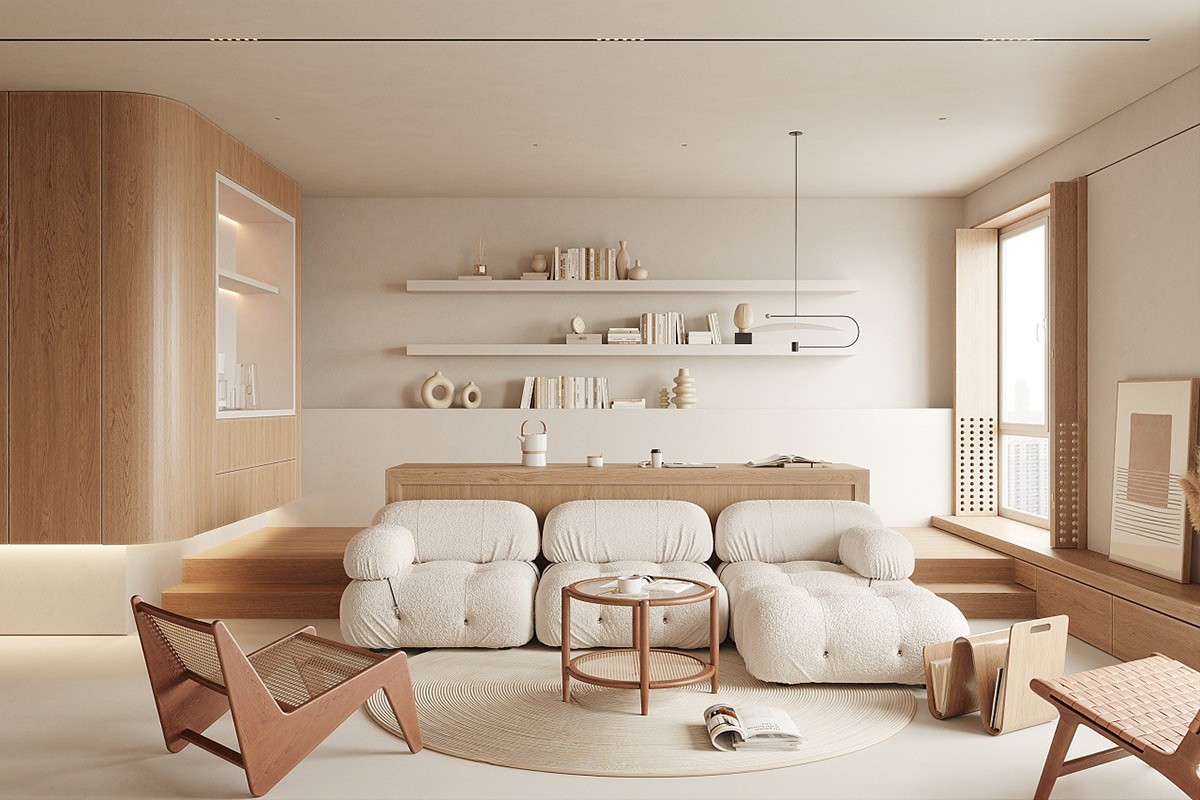
Lighting is one of the most powerful yet overlooked aspects of home design. The right lighting can completely transform a space, making it feel cozy, spacious, or sophisticated. Whether you’re decorating a small apartment or a large house, understanding lighting is key to creating the perfect ambiance.
This article explores practical tips, design principles, and secrets to using lighting to elevate your home’s aesthetic.
Understanding the Role of Lighting in Home Design
Lighting influences how a room is perceived:
- Sets the mood and ambiance
- Highlights architectural features and decor
- Enhances functionality for tasks and activities
- Makes spaces feel larger, warmer, or more inviting
Proper lighting balances style and practicality, enhancing the overall home experience.
Why Lighting Matters
- Improves visual comfort and reduces eye strain
- Elevates the perceived value and sophistication of your home
- Adds depth, warmth, and dimension to rooms
- Complements colors, textures, and furniture
Even small changes in lighting can create a major impact.
1. Layer Your Lighting
Layering lighting ensures versatility:
- Ambient Lighting: Overall illumination, usually from ceiling fixtures or recessed lights
- Task Lighting: Focused light for reading, cooking, or work areas
- Accent Lighting: Highlights decor, art, or architectural features
Layering creates depth, flexibility, and mood control in each room.
2. Maximize Natural Light
Natural light enhances mood and makes spaces feel airy:
- Keep windows unobstructed by heavy curtains
- Use light, sheer curtains to diffuse sunlight
- Place mirrors opposite windows to reflect light throughout the room
Natural lighting creates warmth and a welcoming environment.
3. Choose the Right Bulbs
Bulbs influence ambiance and energy efficiency:
- Warm white (2700K–3000K) for cozy living areas
- Cool white (4000K–5000K) for workspaces and kitchens
- LED bulbs save energy and have longer lifespans
Choosing the right bulbs affects both comfort and design.
4. Use Dimmer Switches
Dimmers provide control and flexibility:
- Adjust light intensity to match activities and mood
- Enhance coziness during evenings or gatherings
- Reduce energy usage when full brightness isn’t needed
Dimmer switches allow a space to transform easily from functional to relaxing.
5. Highlight Architectural Features
Lighting can accentuate design elements:
- Use spotlights for wall textures or niches
- LED strips under shelves or cabinets for subtle glow
- Track lighting to focus on artwork or statement furniture
Highlighting features adds drama and sophistication.
6. Invest in Statement Fixtures
A well-chosen fixture can serve as a centerpiece:
- Chandeliers in dining or living areas
- Pendant lights over kitchen islands or tables
- Sculptural floor or table lamps
Statement lighting combines functionality with aesthetic appeal.
7. Use Layered Table and Floor Lamps
Lamps add warmth and flexibility:
- Place table lamps in reading corners
- Use floor lamps to brighten dark spaces
- Mix lamp sizes and styles for visual interest
Lamps allow targeted lighting without overpowering the room.
8. Incorporate Under-Cabinet and Shelf Lighting
Under-cabinet lights are both practical and stylish:
- Illuminate kitchen countertops or work areas
- Highlight decorative objects on shelves
- Use LED strips for a modern, subtle glow
This adds functionality while enhancing ambiance.
9. Experiment with Color and Mood Lighting
Colored or smart lighting can dramatically change a room:
- Use warm tones for relaxing spaces
- Cooler tones for productivity or work areas
- Smart bulbs allow customization for events or moods
Mood lighting creates dynamic and inviting environments.
10. Balance Brightness Across Spaces
Uneven lighting can feel harsh or awkward:
- Avoid overly bright overhead lights
- Mix ambient and accent lighting for balance
- Ensure task areas have sufficient illumination without glare
Balanced lighting improves comfort and visual appeal.
11. Layer Outdoor Lighting
Outdoor spaces benefit from thoughtful lighting:
- String lights for patios and balconies
- Pathway lights for safety and charm
- Spotlights for landscaping or architectural highlights
Outdoor lighting extends ambiance beyond the interior.
12. Incorporate Mirrors and Reflective Surfaces
Mirrors amplify light and add dimension:
- Reflect natural light to brighten darker areas
- Use glossy or metallic surfaces to enhance brightness
- Combine with accent lighting for dramatic effects
Reflections make rooms feel larger and more sophisticated.
13. Focus on Energy Efficiency
Stylish lighting doesn’t have to be costly to run:
- Use LEDs and CFLs instead of incandescent bulbs
- Incorporate timers or motion sensors for outdoor lighting
- Choose energy-efficient fixtures without sacrificing style
Efficiency saves money and supports sustainable living.
14. Customize Lighting for Each Room
Every space has unique lighting needs:
- Living room: layered lighting for socializing and relaxation
- Kitchen: bright task lighting for cooking and preparation
- Bedroom: soft, warm lighting for rest and comfort
- Bathroom: balanced lighting for grooming and mirrors
Tailored lighting improves both functionality and aesthetics.
15. Maintain and Upgrade Fixtures Regularly
Proper maintenance ensures longevity and appearance:
- Clean fixtures and bulbs to maximize brightness
- Replace outdated or damaged elements
- Upgrade to modern designs as trends and technology evolve
Regular care keeps your home looking polished and inviting.
Case Studies: Lighting Transformations
- Apartment A: Layered ambient and task lighting, added statement pendant. Result: room felt spacious, cozy, and visually appealing.
- Home B: Introduced dimmers, under-cabinet LEDs, and accent lights. Result: versatile, functional, and stylish atmosphere.
- Condo C: Enhanced natural light with mirrors, smart bulbs for mood control. Result: bright, warm, and inviting home.
Practical Tips for Enhancing Home Ambiance with Lighting
- Plan layered lighting for every room
- Maximize natural light and reflections
- Use statement fixtures and lamps strategically
- Incorporate smart or colored bulbs for versatility
- Balance brightness and maintain fixtures regularly
Conclusion
Lighting is a transformative element in home aesthetics, influencing mood, perception, and functionality. By layering light, maximizing natural sources, incorporating statement pieces, and using modern technologies, anyone can create a home that feels cozy, sophisticated, and inviting. Thoughtful lighting choices not only illuminate your space but also elevate your entire home experience.
FAQs
- What’s the first step to improving home lighting?
Evaluate each room’s needs, considering natural light, function, and ambiance goals. - Can affordable lighting make a room look luxurious?
Yes, strategic placement, layering, and stylish fixtures can create a high-end look without overspending. - How do dimmers enhance home ambiance?
They allow control over light intensity, adapting the space for relaxation, work, or entertainment. - Are smart bulbs worth investing in?
Smart bulbs offer flexibility, color customization, and convenience, making them ideal for modern homes. - How can I make small rooms feel brighter?
Use natural light, mirrors, reflective surfaces, and balanced ambient and accent lighting.