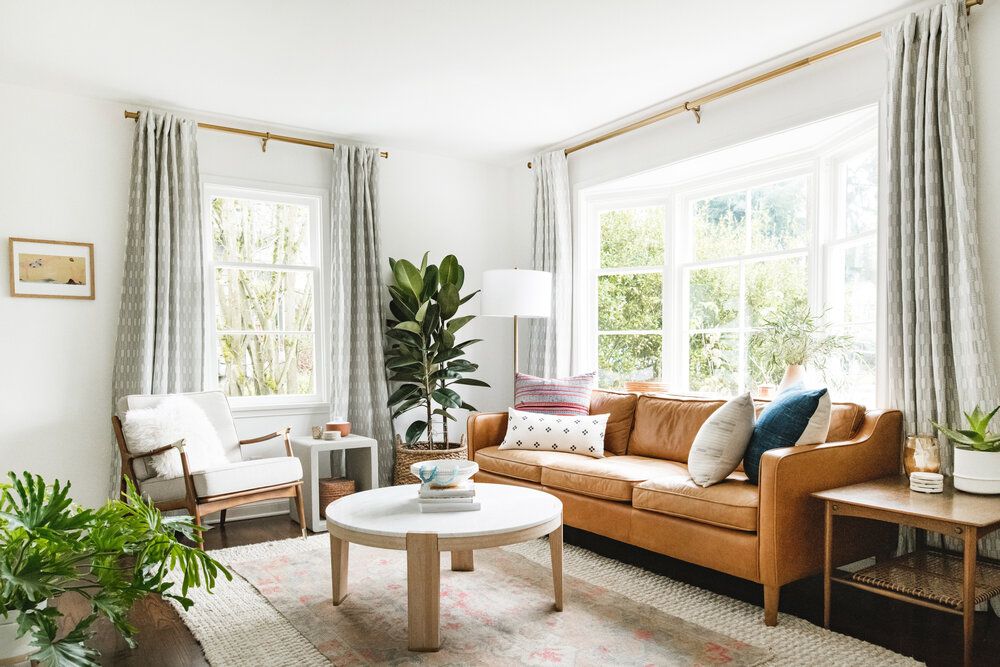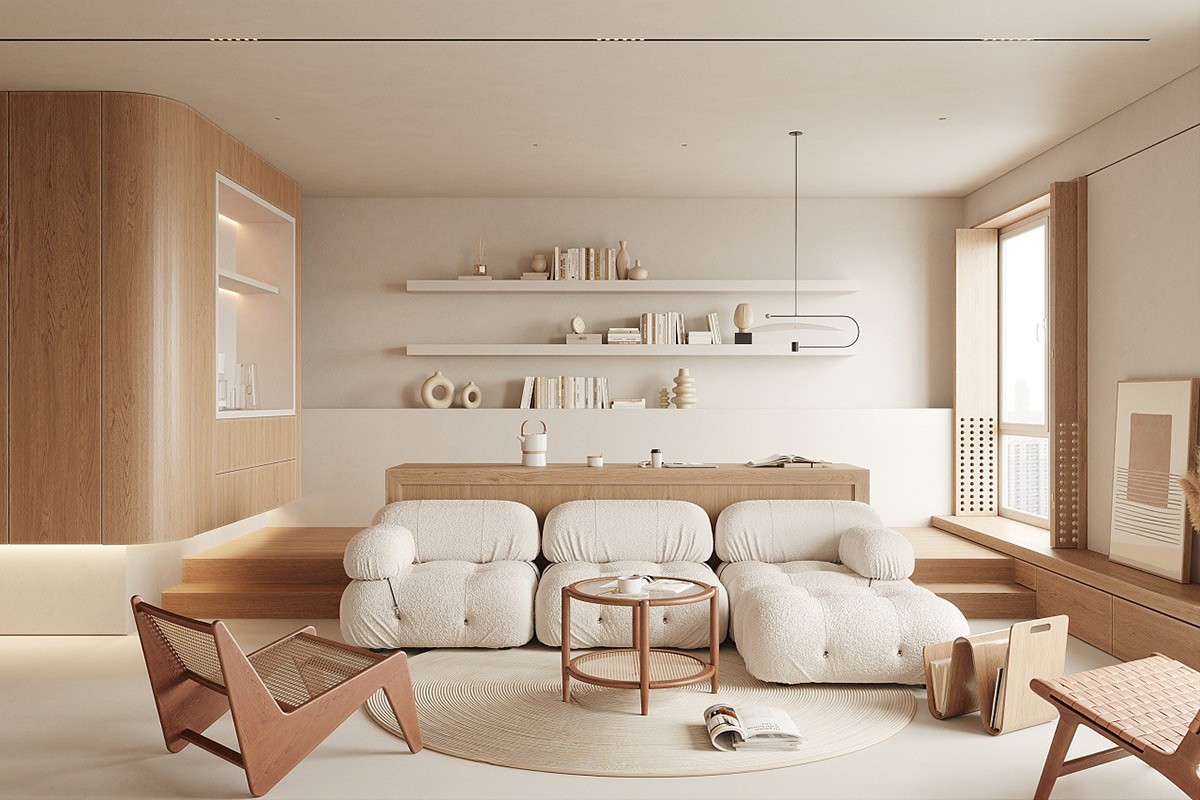
Minimalism is more than a trend—it’s a lifestyle that emphasizes simplicity, functionality, and intentional living. A minimalist home doesn’t feel empty or cold; it can be cozy, stylish, and highly functional. Achieving this balance requires careful planning, smart choices, and attention to detail.
This article explores how to create a minimalist home that feels inviting, uncluttered, and aesthetically pleasing.
Understanding Minimalist Home Design
Minimalism focuses on quality over quantity, prioritizing essential items while eliminating clutter. The goal is a clean, calm, and organized space that promotes relaxation and efficiency.
Why Minimalism Works
- Reduces stress and visual clutter
- Makes spaces feel larger and more open
- Encourages intentional spending and sustainability
- Enhances natural light and aesthetics
Minimalism blends simplicity with comfort for a functional and beautiful home.
Step 1: Declutter Strategically
Decluttering is the foundation of minimalist design:
- Evaluate every item: keep what’s functional or meaningful
- Donate or recycle items you no longer need
- Store seasonal or infrequently used items out of sight
Decluttering frees up space and creates a sense of calm.
Step 2: Define Your Color Palette
Minimalist spaces thrive on simple, cohesive colors:
- Neutral tones like white, beige, gray, or soft pastels
- Use a single accent color sparingly for warmth or personality
- Stick to 2-3 complementary colors to maintain harmony
A cohesive palette enhances tranquility and visual appeal.
Step 3: Choose Functional, Quality Furniture
Minimalism favors functionality and longevity over quantity:
- Invest in multi-purpose furniture like sofa beds or storage ottomans
- Choose clean lines and simple shapes
- Avoid overly decorative or bulky pieces
Smart furniture choices combine practicality with aesthetics.
Step 4: Embrace Open Spaces
Minimalist homes feel airy and uncluttered:
- Avoid overcrowding rooms with furniture or decor
- Leave walking paths clear
- Use open shelving sparingly to display essentials
Open spaces make the home feel spacious and inviting.
Step 5: Focus on Lighting
Lighting is critical in minimalist design:
- Maximize natural light through windows and glass doors
- Use simple light fixtures with clean lines
- Layer lighting for functionality and ambiance
Proper lighting highlights the minimalist aesthetic and enhances comfort.
Step 6: Introduce Textures for Warmth
Minimalist doesn’t mean sterile:
- Incorporate soft fabrics like throws, cushions, or rugs
- Use natural materials such as wood, stone, or linen
- Layer textures subtly to create depth and coziness
Textures prevent the space from feeling cold or impersonal.
Step 7: Limit Decorative Items
Minimalist decor is intentional:
- Choose meaningful or functional items
- Avoid excessive knick-knacks and clutter
- Rotate items seasonally for variety without overcrowding
Every item should serve a purpose or add aesthetic value.
Step 8: Incorporate Greenery
Plants bring life and softness to minimalist spaces:
- Use a few statement plants rather than many small ones
- Opt for easy-to-maintain species like succulents or snake plants
- Display plants in simple, elegant pots that match the palette
Greenery adds warmth and vibrancy while maintaining simplicity.
Step 9: Use Storage Smartly
Minimalism requires efficient storage solutions:
- Built-in storage for a seamless look
- Hidden compartments in furniture
- Baskets or boxes for organizing small items
Effective storage keeps clutter out of sight and maintains the clean aesthetic.
Step 10: Prioritize Quality over Quantity
Invest in fewer but higher-quality items:
- Durable furniture and decor last longer
- Timeless pieces complement changing styles
- Reduces waste and reinforces intentional living
Quality choices elevate both comfort and style.
Step 11: Create Visual Balance
Balance is key to a harmonious minimalist space:
- Distribute furniture and decor evenly
- Avoid heavy concentrations of color or objects in one area
- Use symmetry to create calm and order
Visual balance enhances the overall sense of serenity.
Step 12: Maximize Natural Elements
Bring nature inside to enhance tranquility:
- Wooden floors or furniture
- Stone countertops or accents
- Plants and natural fabrics
Natural elements complement minimalism and create warmth.
Step 13: Mind the Details
Minimalist homes succeed in small touches:
- Replace ornate hardware with sleek alternatives
- Keep door handles, switches, and fixtures simple
- Choose subtle artwork or accessories
Attention to detail ensures the minimalist style feels polished and intentional.
Step 14: Avoid Over-Decorating Walls
Wall space is valuable in minimalism:
- Use a single large piece of art or mirror
- Avoid cluttering walls with multiple small frames
- Paint walls in neutral tones to maintain openness
Clean walls contribute to the calm, uncluttered atmosphere.
Step 15: Maintain Consistency Across Rooms
A cohesive design flows from room to room:
- Repeat color schemes and materials
- Keep furniture styles complementary
- Ensure decor aligns with overall minimalist theme
Consistency ties the entire home together seamlessly.
Case Studies: Minimalist Home Transformations
- Apartment A: Removed excess furniture, introduced neutral colors, and layered textures. Result: cozy, airy, and functional.
- Home B: Used built-in storage, quality furniture, and statement plants. Result: stylish, organized, and inviting.
- Condo C: Replaced cluttered decor with meaningful items, optimized lighting, and maintained visual balance. Result: serene and minimalist without feeling empty.
Practical Tips for Minimalist Home Design
- Start small: focus on one room at a time
- Declutter ruthlessly and organize efficiently
- Choose a consistent color palette and textures
- Invest in functional, high-quality furniture
- Incorporate greenery and natural elements
- Use intentional decor items for meaning and style
Conclusion
Minimalist home design isn’t about emptiness—it’s about creating a clean, cozy, and functional environment. By focusing on decluttering, using quality furniture, layering textures, and incorporating natural elements, anyone can achieve a minimalist home that feels both stylish and inviting. Thoughtful choices make your space feel intentional, serene, and uniquely yours.
FAQs
- Is minimalism suitable for small spaces?
Yes, minimalism enhances openness, maximizes functionality, and makes small spaces feel larger. - Can minimalism be cozy?
Absolutely. By layering textures, using natural materials, and adding greenery, minimalist spaces can feel warm and inviting. - Do I need professional help to create a minimalist home?
Not necessarily. With planning, decluttering, and intentional choices, anyone can design a minimalist space. - How do I avoid my minimalist home feeling empty?
Incorporate meaningful decor, textures, natural elements, and personal touches to add warmth. - What’s the best way to maintain a minimalist home?
Regularly declutter, organize storage efficiently, and make intentional purchases to preserve the clean aesthetic.