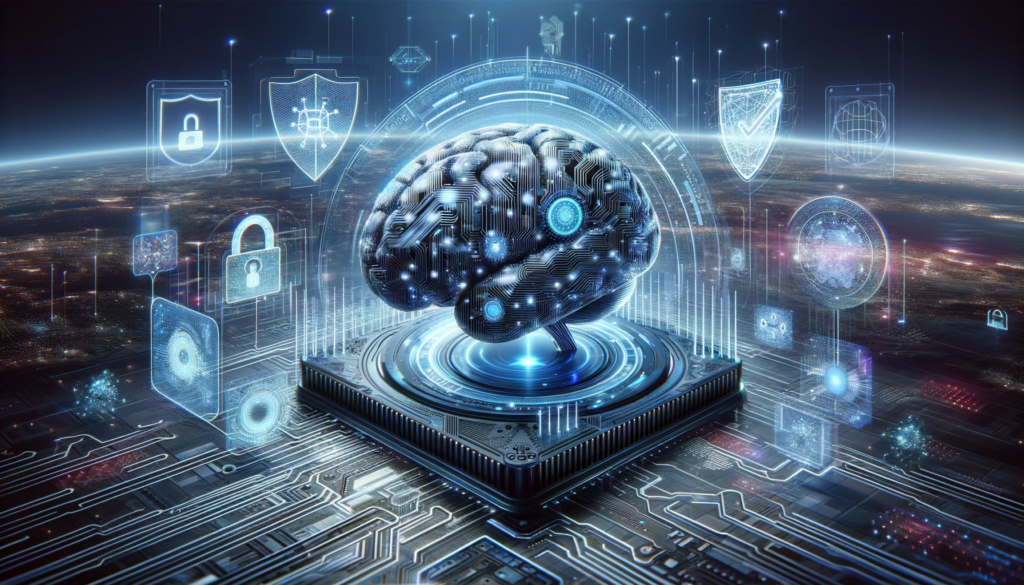
In today’s hyper-connected world, cybersecurity is no longer optional—it’s a necessity. With more people working remotely, shopping online, and relying on smart devices, the potential for cyberattacks has skyrocketed. From identity theft to ransomware attacks, cybersecurity threats are becoming more sophisticated every year.
This article explores the latest trends in cybersecurity, practical measures for protection, and future challenges.
Understanding Cybersecurity
Cybersecurity refers to the practice of protecting systems, networks, and data from digital attacks. Its main goals are:
- Confidentiality: Keeping sensitive information secure
- Integrity: Ensuring data remains accurate and unaltered
- Availability: Maintaining access to systems when needed
Effective cybersecurity protects individuals, businesses, and governments from financial loss, privacy breaches, and reputational damage.
The Rise of Cyber Threats
Cyber threats are increasing in frequency and complexity:
- Phishing: Fraudulent emails trick users into revealing personal information
- Ransomware: Malicious software encrypts files and demands payment
- Malware and Viruses: Harmful programs that disrupt systems or steal data
- Social Engineering: Manipulating individuals to bypass security measures
Awareness of these threats is the first step toward prevention.
Remote Work and Its Security Challenges
The shift to remote work has increased vulnerability:
- Employees use personal devices that may lack security controls
- Home networks are often less secure than corporate networks
- Remote access solutions can be exploited if improperly configured
Businesses must implement secure VPNs, multi-factor authentication, and training programs for employees.
Importance of Strong Passwords
Weak passwords are one of the easiest ways hackers gain access. Best practices include:
- Using long, complex passwords with letters, numbers, and symbols
- Avoiding reused passwords across multiple accounts
- Employing password managers to securely store credentials
Strong passwords form the first line of defense against cyberattacks.
Multi-Factor Authentication (MFA)
MFA adds an extra security layer by requiring multiple forms of verification:
- Something you know (password)
- Something you have (smartphone, token)
- Something you are (biometric verification like fingerprint or face recognition)
MFA significantly reduces the risk of unauthorized access.
AI and Machine Learning in Cybersecurity
AI and machine learning are transforming cybersecurity:
- Detect unusual patterns and anomalies in real time
- Automate threat detection and response
- Predict potential vulnerabilities before exploitation
These technologies enhance the speed and accuracy of cyber defense.
Cloud Security Trends
As organizations adopt cloud solutions, protecting data becomes critical:
- Encryption protects data in transit and at rest
- Access controls ensure only authorized personnel can access information
- Continuous monitoring identifies unusual behavior quickly
Cloud security is essential for modern business operations.
IoT Security Risks
The Internet of Things (IoT) introduces new vulnerabilities:
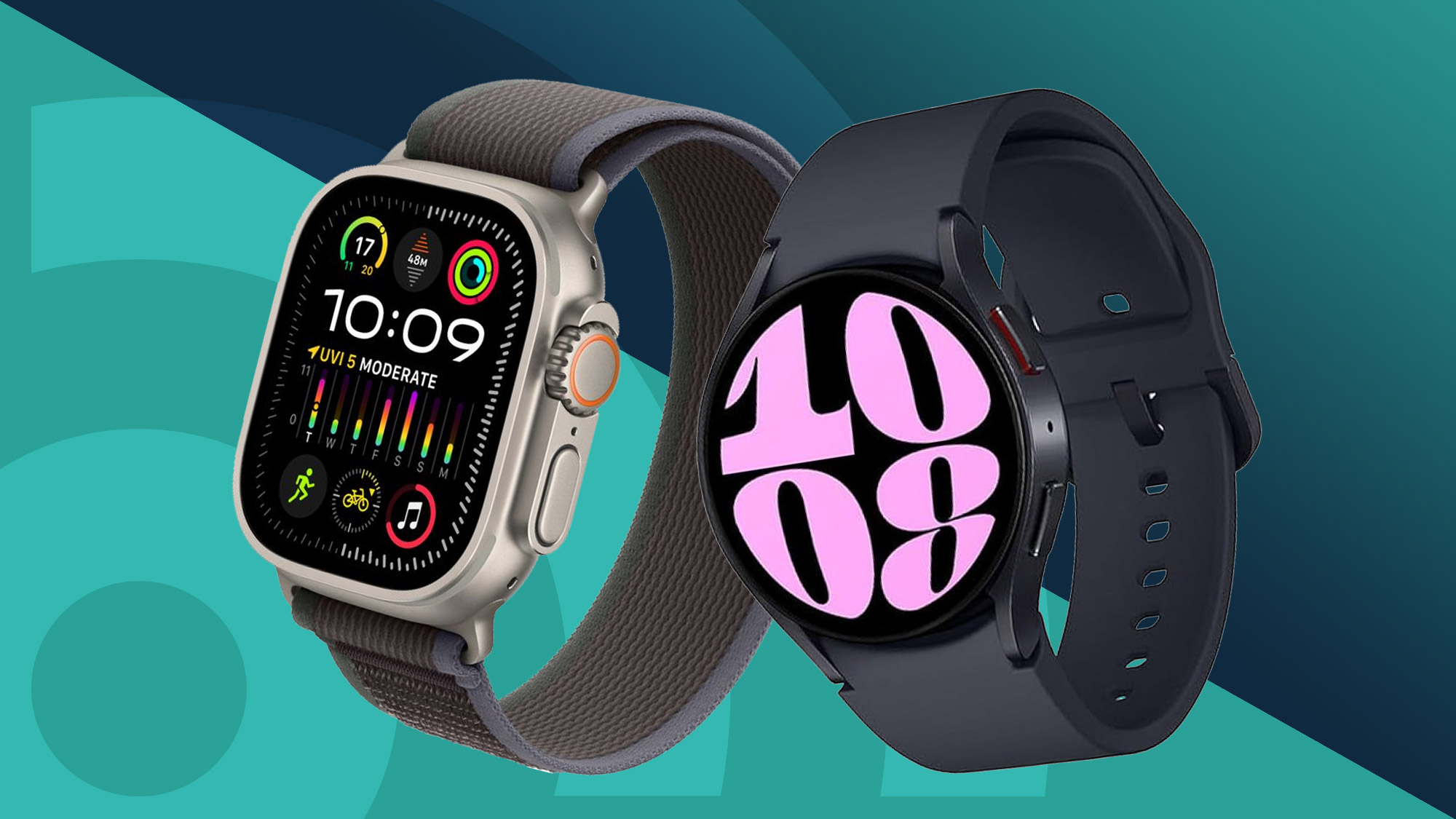
- Smart home devices, wearables, and industrial sensors are potential entry points for attackers
- Many IoT devices lack built-in security features
- Manufacturers are now prioritizing secure firmware updates and network isolation
Protecting IoT devices is crucial in a connected world.
Cybersecurity in Healthcare
Healthcare data is highly sensitive and targeted by cybercriminals:
- Patient records are valuable for identity theft and fraud
- Ransomware attacks can disrupt hospital operations
- AI-based monitoring tools help detect intrusions and ensure compliance
Healthcare organizations must prioritize cybersecurity to protect patients and critical systems.
Blockchain and Cybersecurity
Blockchain technology offers secure, decentralized solutions for data protection:
- Transactions are encrypted and tamper-resistant
- Supply chains can verify authenticity and prevent fraud
- Identity management can become more secure using blockchain protocols
Blockchain may revolutionize the way we secure digital transactions.
Cybersecurity Regulations and Compliance
Governments are enforcing stricter regulations:
- GDPR (General Data Protection Regulation) in Europe protects personal data
- CCPA (California Consumer Privacy Act) ensures consumer privacy rights
- HIPAA in the U.S. governs healthcare data security
Compliance is essential to avoid penalties and maintain trust.
Cybersecurity Awareness and Training
Human error is a major factor in breaches. Awareness programs help:
- Educate employees on phishing, password security, and safe browsing
- Conduct simulated attacks to test response readiness
- Encourage a culture of security across organizations
Training is a proactive way to reduce cyber risks.
Future Trends in Cybersecurity
Cybersecurity will continue evolving with technology:
- AI-driven predictive defense systems
- Quantum computing creating both risks and solutions
- Increased focus on privacy-by-design principles
- Cyber insurance becoming standard for organizations
Staying ahead of trends is essential for both individuals and businesses.
Practical Tips for Individuals
- Use unique, strong passwords and enable MFA
- Keep software and operating systems updated
- Avoid clicking on suspicious links or attachments
- Secure your home Wi-Fi network with strong encryption
- Regularly back up important data
These steps can prevent most common cyberattacks.
Conclusion
Cybersecurity is a critical concern in the digital age. As technology becomes more integrated into our daily lives, protecting personal, organizational, and industrial data is vital. By understanding current threats, adopting advanced security measures, and staying informed about emerging trends, individuals and businesses can safeguard their digital assets effectively. Cybersecurity isn’t just a technical necessity—it’s a vital aspect of modern living.
FAQs
- What are the most common cyber threats today?
Phishing, ransomware, malware, and social engineering are the most prevalent threats. - How can I protect my home network?
Use strong passwords, enable WPA3 encryption, regularly update devices, and use a firewall. - Is AI helpful in cybersecurity?
Yes, AI detects anomalies, predicts threats, and automates responses, improving overall defense. - Why is multi-factor authentication important?
It adds an extra layer of security, making it much harder for attackers to gain access. - What should businesses focus on for cybersecurity?
Employee training, cloud and IoT security, compliance with regulations, and proactive threat monitoring.